If you thought acne was something you'd leave behind with your teenage years, you're not alone. Adult acne is incredibly common—affecting up to 50% of women in their 20s and 25% of women in their 40s. And it can feel even more frustrating when you're dealing with breakouts alongside fine lines.
As someone who specialized in acne treatment during my training at the Euro Institute of Skin Care, I've helped countless clients in their 30s, 40s, and beyond finally achieve clear skin. Let's dive into why adult acne happens and what actually works to treat it.
Why Adult Acne Is Different
Adult acne isn't the same as teenage acne. While teen breakouts are typically caused by hormonal surges during puberty, adult acne has multiple potential triggers and often appears in different patterns.
Teenage acne: Usually appears on the forehead, nose, and chin (T-zone); often consists of blackheads and whiteheads.
Adult acne: Tends to appear on the lower face, jawline, and neck; often deeper, more inflammatory, and cystic.
Common Causes of Adult Acne
1. Hormonal Fluctuations
Hormones are the #1 culprit in adult acne, particularly for women. Fluctuations during menstrual cycles, pregnancy, perimenopause, or after stopping birth control can all trigger breakouts. If your acne flares predictably around your period or appears along your jawline and chin, hormones are likely involved.
2. Stress
When you're stressed, your body produces more cortisol, which can increase oil production and inflammation. Chronic stress keeps your skin in a constant state of reactivity, making breakouts more likely and harder to heal.
3. Diet
Research increasingly shows connections between diet and acne:
- High-glycemic foods: White bread, sugary snacks, and processed carbs can spike blood sugar and trigger breakouts
- Dairy: Some studies link dairy consumption to acne, possibly due to hormones in milk
- Inflammation: A diet high in processed foods promotes systemic inflammation that shows up in your skin
4. Skincare Products
Using products that are too harsh, too heavy, or comedogenic (pore-clogging) can cause or worsen acne. Ironically, many people with adult acne use aggressive products that damage their skin barrier, leading to more breakouts.
5. Makeup and Sunscreen
Heavy, pore-clogging makeup and certain sunscreen formulations can contribute to breakouts. Look for "non-comedogenic" products, and always remove makeup thoroughly before bed.
6. Medications
Certain medications can trigger acne, including some antidepressants, corticosteroids, and lithium. If you noticed breakouts after starting a new medication, talk to your doctor.
💡 Track Your Breakouts
Keep a simple log of when breakouts occur, what you ate, your stress levels, and where you are in your menstrual cycle. Patterns often emerge that help identify your personal triggers.
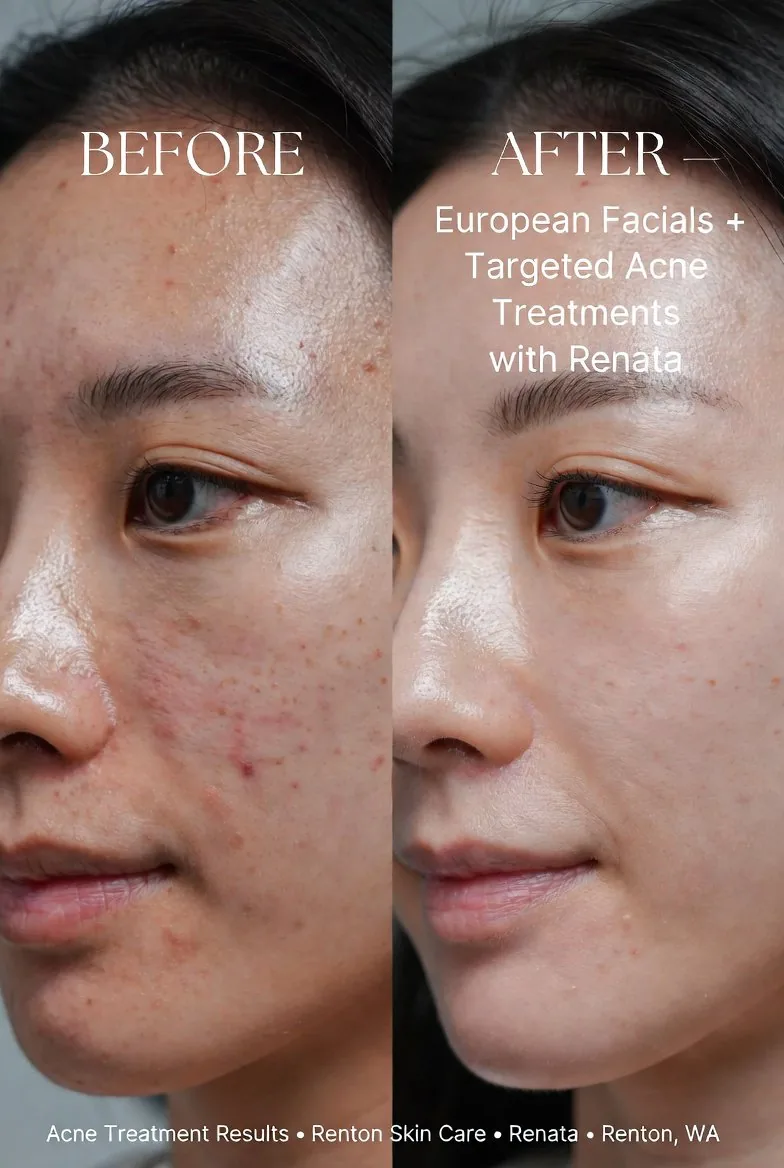
Professional Treatments for Adult Acne
While home care is important, professional treatments can dramatically speed up clearing and help prevent scarring.
Acne Deep Cleansing Facial
Our signature acne treatment includes deep cleansing, professional extractions to clear congestion, high-frequency treatment to kill bacteria, and a calming mask to reduce inflammation. Regular treatments every 2-4 weeks during active breakouts help clear skin faster than home care alone.
Chemical Peels
Salicylic acid and glycolic acid peels exfoliate dead skin cells, unclog pores, and reduce acne-causing bacteria. They also help fade post-acne dark spots. A series of peels can transform acne-prone skin.
Microdermabrasion
This treatment removes the outer layer of dead skin cells, preventing them from clogging pores. It's particularly helpful for non-inflammatory acne (blackheads and whiteheads) and can improve the penetration of acne-fighting products.
LED Light Therapy
Blue light kills acne-causing bacteria, while red light reduces inflammation and promotes healing. This gentle treatment is often added to facials for enhanced results.
Building an Effective Home Routine
Between professional treatments, a consistent home routine is essential:
Cleanser
Use a gentle, non-stripping cleanser twice daily. Harsh cleansers damage your skin barrier and can actually increase breakouts. Look for ingredients like salicylic acid or benzoyl peroxide in leave-on treatments rather than cleansers.
Exfoliation
Chemical exfoliants (BHAs like salicylic acid) are better for acne-prone skin than physical scrubs. Start with 2-3 times per week and adjust based on how your skin responds.
Treatment Products
- Benzoyl peroxide: Kills bacteria; start with 2.5% to minimize irritation
- Salicylic acid: Unclogs pores; excellent for blackheads
- Niacinamide: Reduces inflammation and oil production
- Retinoids: Prevent clogged pores and speed cell turnover (start slowly!)
Moisturizer
Yes, acne-prone skin still needs moisture! Skipping moisturizer can actually trigger more oil production. Choose lightweight, non-comedogenic formulas.
Sunscreen
Essential, especially when using acne treatments that increase sun sensitivity. Look for oil-free, non-comedogenic options.
🚫 What to Avoid
Don't pick or squeeze: This spreads bacteria and causes scarring.
Don't over-treat: Using too many actives at once damages your skin barrier.
Don't expect overnight results: It takes 6-8 weeks to see real improvement.
When to Seek Additional Help
If you've tried consistent professional treatments and a good home routine for 3 months without improvement, it may be time to see a dermatologist. They can prescribe stronger treatments like prescription retinoids, antibiotics, or hormonal therapies like spironolactone.
Severe cystic acne, acne that's leaving scars, or acne accompanied by other symptoms (irregular periods, unusual hair growth) should be evaluated by a doctor.
Ready to Clear Your Skin?
Book an Acne Deep Cleansing Facial and let's create a personalized plan to get your skin clear and keep it that way.
Book Your TreatmentStruggling with adult acne? I understand how frustrating it can be. Call or text (206) 660-8472 to discuss your concerns—I'm here to help!